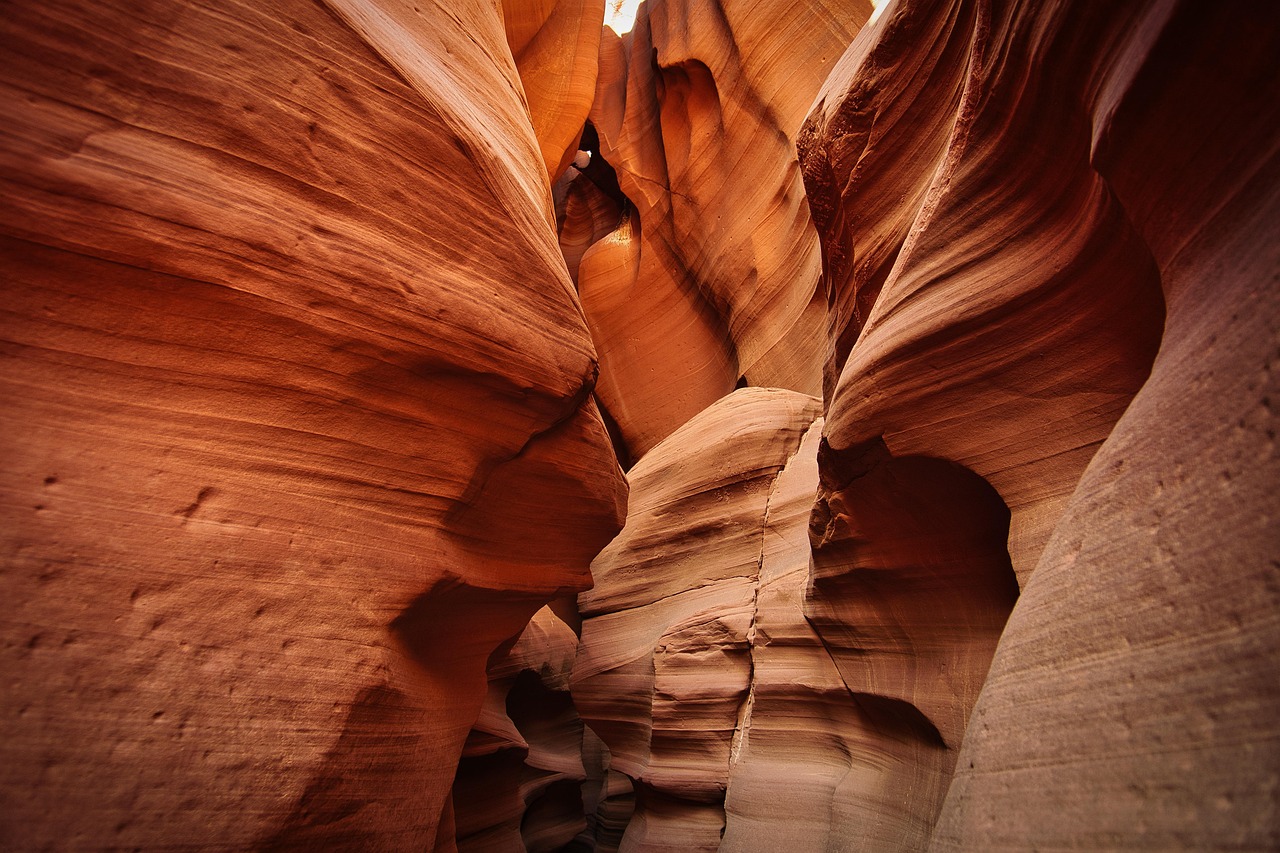
In the vast and diverse landscapes of Arizona, understanding the wildlife nearby is not merely an intellectual pursuit but a crucial aspect of conservation and coexistence. Summit Arizona naturally boasts an intricate web of ecosystems that harbor a multitude of species, each playing a vital role in the region’s ecological balance. However, urban expansion and habitat fragmentation pose significant challenges, threatening the delicate equilibrium. This article delves into the complexities of Arizona’s wildlife dynamics, explores the root causes behind these disturbances, and offers insights into sustainable solutions to preserve and protect the rich biodiversity that summit Arizona naturally calls home.
- Discovering Arizona's Diverse Wildlife: A Guide
- Summit Arizona Naturally: Top Spots for Observation
- Conserving Ecosystems: Protecting Wildlife Near You
Discovering Arizona's Diverse Wildlife: A Guide
Arizona, known for its vast and diverse landscapes, is a haven for wildlife enthusiasts. From the towering peaks of the Grand Canyon to the lush forests of the ponderosa pines, the state offers a unique and rich array of animal life. Discovering Arizona’s diverse wildlife is an adventure in itself, providing an opportunity to summit not only physical peaks but also the heights of natural wonder. This guide is designed to help you navigate and appreciate the incredible biodiversity that Arizona naturally offers.
The state is home to over 700 species of birds, including the majestic golden eagle and the colorful hummingbirds. For mammals, expect to find deer, elk, bighorn sheep, and even the elusive mountain lion. As you explore Arizona’s varied ecosystems, you’ll encounter these creatures in their natural habitats, from the desert’s rugged terrain to the high-altitude forests. Engaging in wildlife viewing is a popular summit Things to Do for both locals and visitors, offering a chance to connect with nature up close.
Arizonan.com provides extensive resources for wildlife enthusiasts, offering insights into the best times to visit for optimal wildlife spotting. Spring and fall, for instance, are particularly vibrant, with migrating birds and newborn fawns. Remember, observing wildlife responsibly is crucial. Keep a safe distance, respect their habitat, and follow local guidelines to ensure these encounters are beneficial for both you and the animals. By embracing these practices, you’ll not only have a memorable experience but also contribute to the preservation of Arizona’s remarkable natural tapestry.
Summit Arizona Naturally: Top Spots for Observation
Summit Arizona Naturally: Unveiling Top Spots for Wildlife Observation
Arizona, with its diverse ecosystems and breathtaking landscapes, offers adventurers and nature enthusiasts a unique opportunity to connect with the wild. When it comes to observing wildlife in its natural habitat, the state’s diverse terrains, from towering peaks to sprawling deserts, provide a rich tapestry of experiences. For those seeking to summit Arizona naturally, several locations stand out as hotspots for wildlife encounters. These destinations not only offer awe-inspiring views but also serve as sanctuaries where visitors can witness the state’s remarkable biodiversity up close.
Among the most rewarding experiences is the chance to observe high-altitude wildlife. Summit trails in the state’s national parks and forests provide access to habitats teeming with unique species. For instance, the peak areas of the San Francisco Peaks, located north of Flagstaff, offer opportunities to spot elk, mule deer, and even the elusive mountain lion. The crisp, clean air and lush alpine meadows at these heights make for ideal viewing conditions. Additionally, birdwatchers will find solace in the numerous species of birds that reside in these peaks, including the majestic golden eagle.
Arizonan.com, a go-to resource for outdoor enthusiasts, emphasizes the importance of responsible wildlife viewing. Summit Things to Do include educating oneself about local wildlife behaviors and following trail guidelines to minimize disturbance. By adopting these practices, visitors can ensure a positive impact on the ecosystem while enjoying the thrilling experience of summiting Arizona’s natural wonders. Engaging in such activities not only fosters a deeper connection with nature but also contributes to the preservation of these precious ecosystems for future generations.
Conserving Ecosystems: Protecting Wildlife Near You
Conserving ecosystems is a critical task that requires collective effort from communities worldwide. In Arizona, where diverse landscapes range from rugged mountains to vast deserts, protecting local wildlife becomes an even more intricate dance. Summit Arizona naturally stands as a testament to the state’s commitment to preserving its unique biodiversity. This region offers not only breathtaking vistas but also serves as a crucial habitat for numerous species. As visitors and residents engage in various summit Things to Do, they inadvertently contribute to ecological preservation by understanding and respecting the delicate balance of nature.
The health of local ecosystems is intricately linked to the well-being of wildlife. Arizona’s diverse terrain supports an array of flora and fauna, many of which are endemic to the region. For instance, the Sonoran Desert, known for its vibrant ecosystem, is home to iconic species like the jaguar and various bird species. Protecting these habitats means safeguarding the very fabric of Arizona’s natural identity. Organizations and conservationists across the state actively work to mitigate human impact on wildlife by creating protected areas, educating communities, and implementing sustainable practices. By fostering a sense of stewardship, Arizonan.com aims to inspire locals and visitors alike to summit with purpose, ensuring that these natural wonders thrive for future generations.
Practical steps towards conservation begin with individual actions. Simple yet impactful changes like adhering to designated trails during hikes, properly disposing of waste, and avoiding disturbance to wildlife habitats can make a significant difference. Local communities play a vital role by supporting initiatives focused on habitat restoration and participating in citizen science projects. These collaborative efforts not only protect endangered species but also provide valuable data for researchers. By summit Things to Do responsibly, Arizonans can contribute to the long-term sustainability of their environment, ensuring that the state’s natural beauty remains untouched for years to come.
Arizona, with its diverse landscapes, offers a rich natural tapestry for wildlife enthusiasts. Discovering its biodiversity involves summiting physical and natural wonders. The state boasts over 700 bird species and diverse mammals, from deer to mountain lions, visible across ecosystems. Engaging in responsible wildlife viewing, as promoted by Arizonan.com, ensures positive encounters and ecosystem preservation. Summit Things to Do include educating oneself about wildlife and following trail guidelines. Protecting Arizona’s ecosystems is vital, as it preserves the state’s unique identity and supports endangered species. Individual actions, community support, and sustainable practices contribute to long-term conservation.